DR. ALAN TREVIÑO
OPHTHALMOLOGIST
CATARACT SURGERY
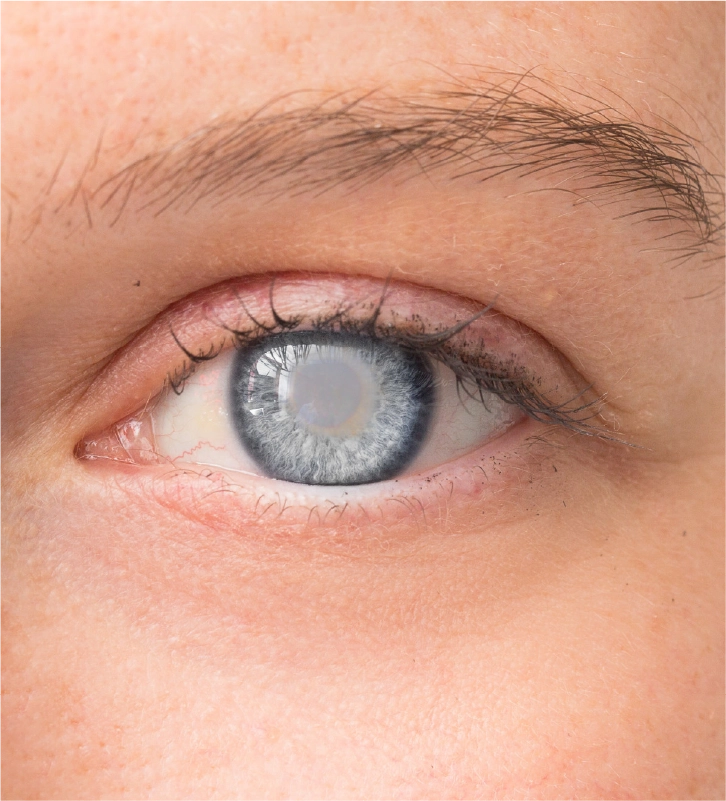
See clearly again
A cataract is a clouding of the lens, the eye’s natural lens. It is like a fogged-up window: vision becomes blurry, cloudy and less colorful.
The treatment is cataract surgery, an outpatient procedure that replaces the cloudy lens with an intraocular lens matched to your eye. We operate in San Pedro Garza García, Monterrey, and also see patients in Sabinas Hidalgo.
Cataract symptoms
- Blurry or cloudy vision.
- Poor vision at night.
- Sensitivity to light, sunlight or car headlights.
- Halos around lights.
- Double vision.
- Difficulty telling contrasts and colors apart.
Why do cataracts develop?
The main cause is aging. Other factors include eye injuries, diabetes, glaucoma, prolonged sun exposure, some medications such as steroids, and genetic predisposition.
How is the surgery done?
Through a very small incision, the cloudy lens is removed and an intraocular lens is placed. It is done under local anesthesia with no hospital stay: you go home the same day.
Intraocular lens options
- Monofocal: clear vision at one distance, usually far. Reading glasses are often needed.
- Premium multifocal or extended depth of focus: vision at distance and near, reducing the need for glasses.
- Toric: also corrects astigmatism.
At your evaluation we measure your eye and recommend the lens that best fits your lifestyle.
Recovery
After surgery you will use eye drops prescribed by your doctor and attend follow-up visits. At your evaluation we explain your care and when you can return to each activity.
Can cataracts be prevented?
We recommend eye exams from age 40 for early diagnosis, good control of conditions such as diabetes, UV-protective sunglasses and not smoking.
Other services
Frequently asked questions
When is the right time for cataract surgery?
When the cataract starts to affect daily activities such as driving, reading or watching TV. There is no need to wait for the cataract to ripen.
Does the surgery hurt?
It is done under local anesthesia, so most patients feel only minimal discomfort.
Can a cataract come back?
No. Over time, the capsule that holds the lens can become cloudy in some patients. This is treated in the office with a YAG laser in a few minutes.
Are both eyes operated on the same day?
Usually one eye is operated on first and then the other, depending on each case.
Do you accept health insurance?
Yes, we accept major health insurance plans. Coverage depends on your policy, and we help you with the paperwork.
Why Dr. Alan Treviño?
Dr. Alan Treviño Herrera is an ophthalmic surgeon with fellowship training in Medical and Surgical Retina at LV Prasad Eye Institute (India) and in Ocular Inflammatory Diseases and Uveitis at the Asociación para Evitar la Ceguera en México (APEC, UNAM). He completed a clinical rotation in Cornea and Retina at Bascom Palmer Eye Institute (University of Miami) and is a member of Mexico’s National System of Researchers (SNI).
We accept major health insurance plans. Read about his training or see all our services.
BOOK YOUR CONSULTATION
San Pedro Garza García: Monday to Thursday, 9 am to 6 pm, and Saturday, 9 am to 2 pm.
Sabinas Hidalgo (Punto Visión): Fridays, 9 am to 6 pm. English spoken.

VISIT US AT ANY OF OUR CLINICS
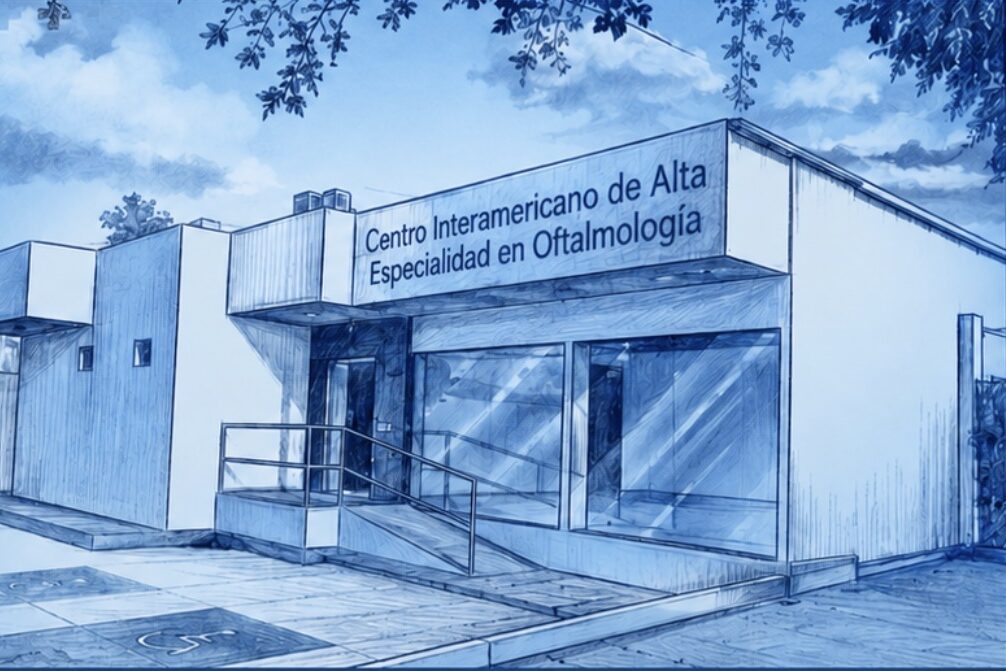
San Pedro Garza García
Centro Interamericano de Alta Especialidad en Oftalmología
Río de la Plata 113, Col. Del Valle,
66220 San Pedro Garza García, Nuevo León, Mexico.
Monday to Thursday: 9 am to 6 pm
Saturday: 9 am to 2 pm
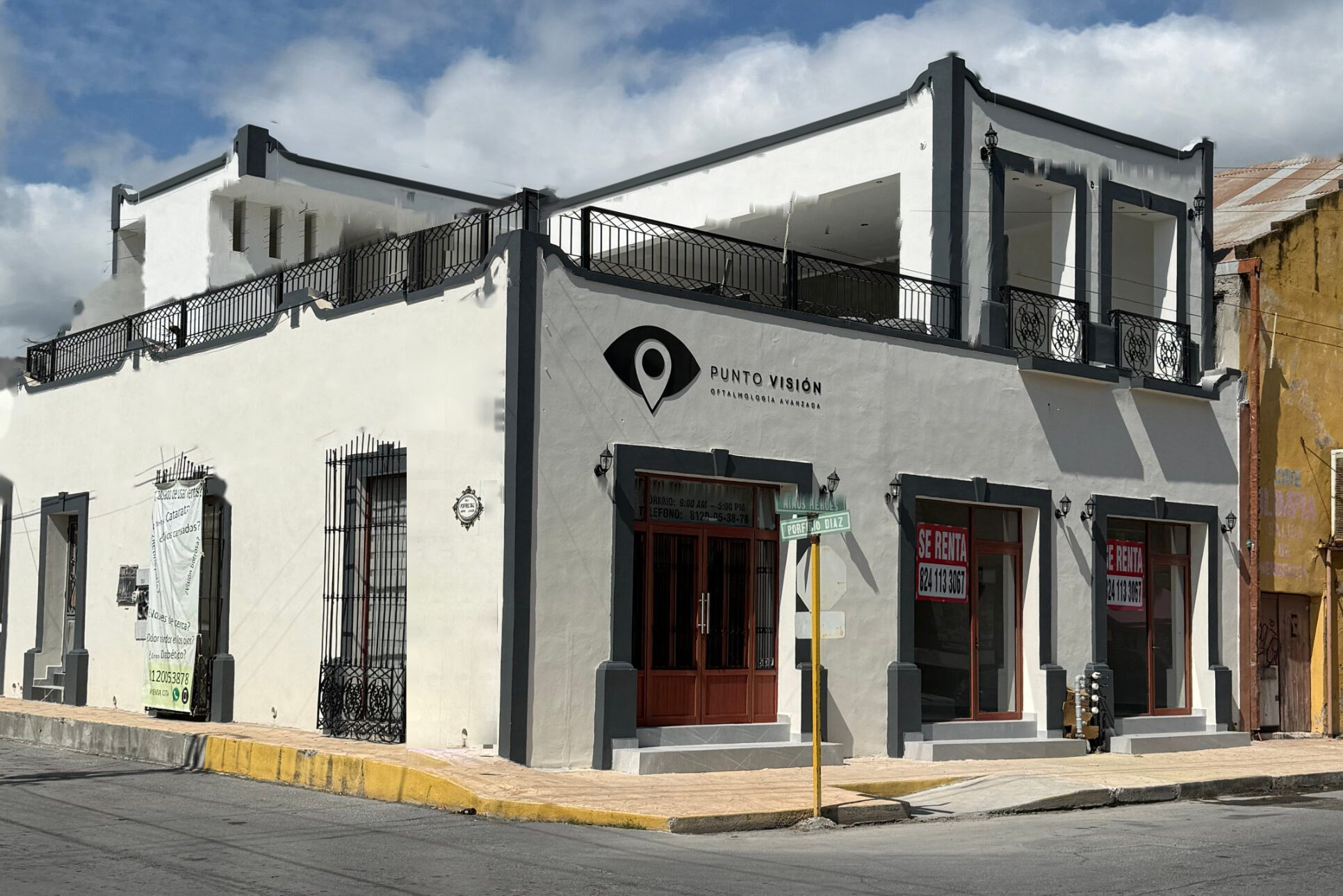
Sabinas Hidalgo
Punto Visión · Porfirio Díaz 507, Downtown,
65200 Sabinas Hidalgo, Nuevo León, Mexico.
Fridays, 9 am to 6 pm.
CONTACT US