
Vogt-Koyanagi-Harada disease in Monterrey
Inflammation in both eyes that may start with headache and ringing in the ears. It is more common in Latin American people and needs strong treatment from the start.
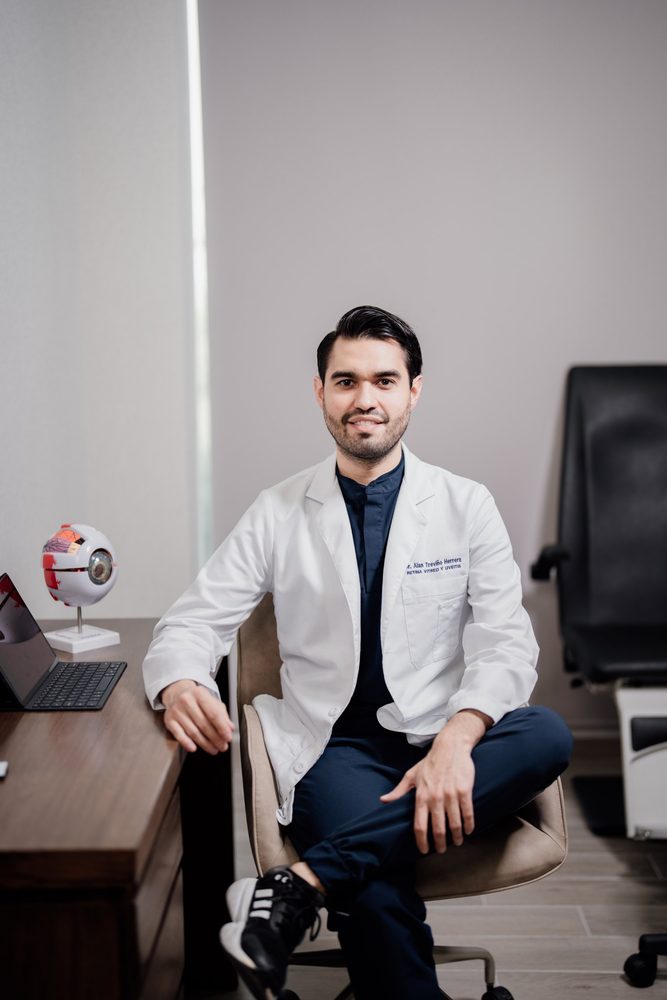
Reviewed by Dr. Alan Treviño, board-certified ophthalmologist with fellowship training in retina and uveitis · Updated: November 2026
Evaluations in San Pedro Garza García (Río de la Plata 113, Col. Del Valle), minutes from Monterrey.
Vogt-Koyanagi-Harada disease (VKH) is an autoimmune disease that attacks pigment cells in the eye, skin, inner ear and the membranes around the brain. In the eye it causes uveitis in both eyes, with fluid under the retina and rapidly blurred vision. It is diagnosed with a dilated exam, OCT and angiography. It is treated with high-dose steroids from the start and, in most cases, with immune-modulating medicines for several months, together with your rheumatologist.
Symptoms by stage
Before the eyes
Headache, stiff neck, nausea or mild fever.
Ears
Ringing, dizziness or hearing loss.
Eyes
Blurry vision in both eyes, pain or light sensitivity.
Months later
White skin patches, white eyelashes or eyebrows, hair loss.
If both eyes become blurry after a strong headache or ringing in the ears, get checked the same day.
How is it diagnosed?
Dilated eye exam
Optic nerve swelling and pockets of fluid under the retina.
OCT
Shows fluid under the retina and a thickened choroid.
Angiography
Typical leakage points.
Ruling out other causes
Prior eye injury or surgery, infections such as tuberculosis or syphilis.
How is it treated?
High-dose steroids
IV or tablets from diagnosis, tapered very slowly over months.
Immunomodulators
Medicines that regulate the immune system to prevent relapses and allow steroid tapering.
OCT follow-up
Confirms the fluid resolves and no hidden inflammation remains.
Managing complications
Cataract, glaucoma or abnormal vessels when they appear.
Treating strongly from the beginning lowers the risk of the disease becoming chronic.
Questions about Vogt-Koyanagi-Harada disease
Will my vision recover?
How long does treatment last?
Do I need other specialists?
Can I stop my pills if I see well?
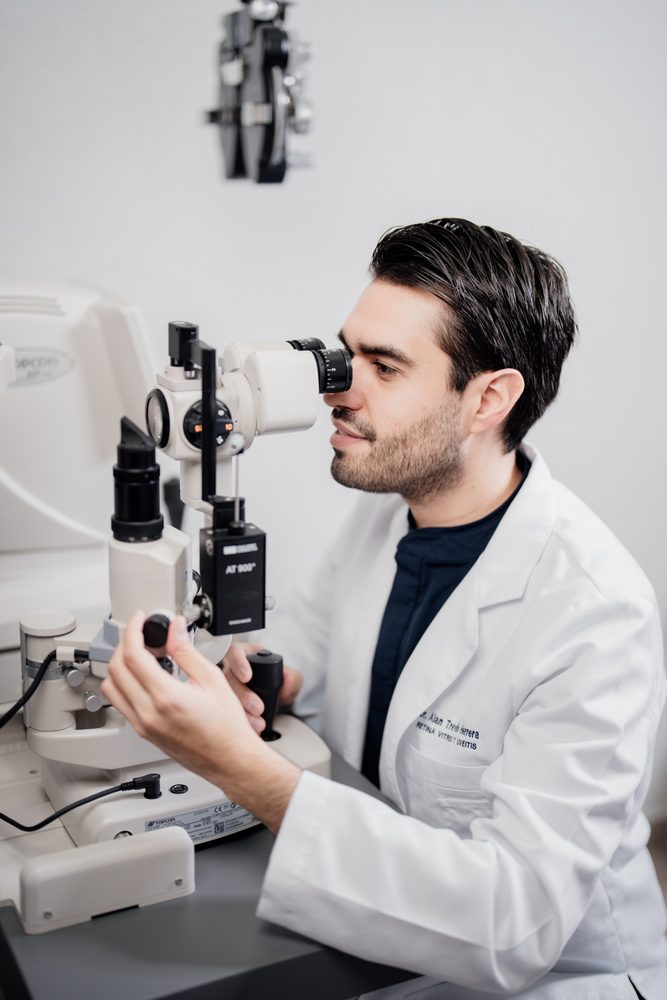
Why Dr. Alan Treviño?
With subspecialty training in both uveitis and retina, Dr. Alan Treviño treats the inflammation and its retinal complications. Consultations are available in English.
- Board-certified by the Mexican Board of Ophthalmology (No. 4209).
- Fellowship in Medical and Surgical Retina at LV Prasad Eye Institute (India).
- Fellowship in Ocular Inflammatory Diseases and Uveitis (APEC, UNAM).
- Clinical rotation in Cornea and Retina at Bascom Palmer Eye Institute (University of Miami).
- Member of Mexico's National System of Researchers.
We accept private health insurance
Coverage depends on your policy. We guide you and help with the paperwork. See all insurers →


You may also be interested in
BOOK YOUR CONSULTATION
San Pedro Garza García: Monday to Thursday, 9 am to 6 pm, and Saturday, 9 am to 2 pm.
Sabinas Hidalgo (Punto Visión): Fridays, 9 am to 6 pm. English spoken.

VISIT US AT ANY OF OUR CLINICS
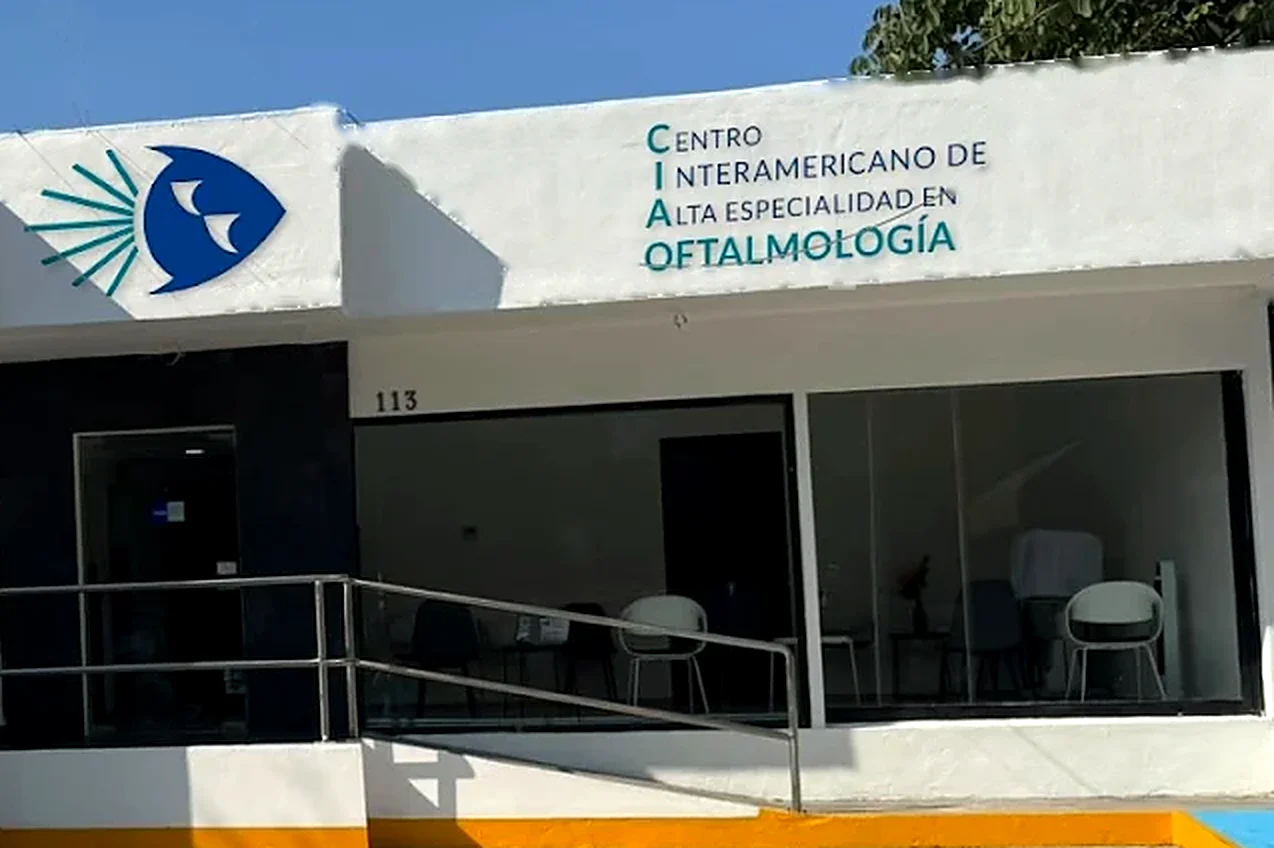
San Pedro Garza García
Centro Interamericano de Alta Especialidad en Oftalmología
Río de la Plata 113, Col. Del Valle,
66220 San Pedro Garza García, Nuevo León, Mexico.
Monday to Thursday: 9 am to 6 pm
Saturday: 9 am to 2 pm
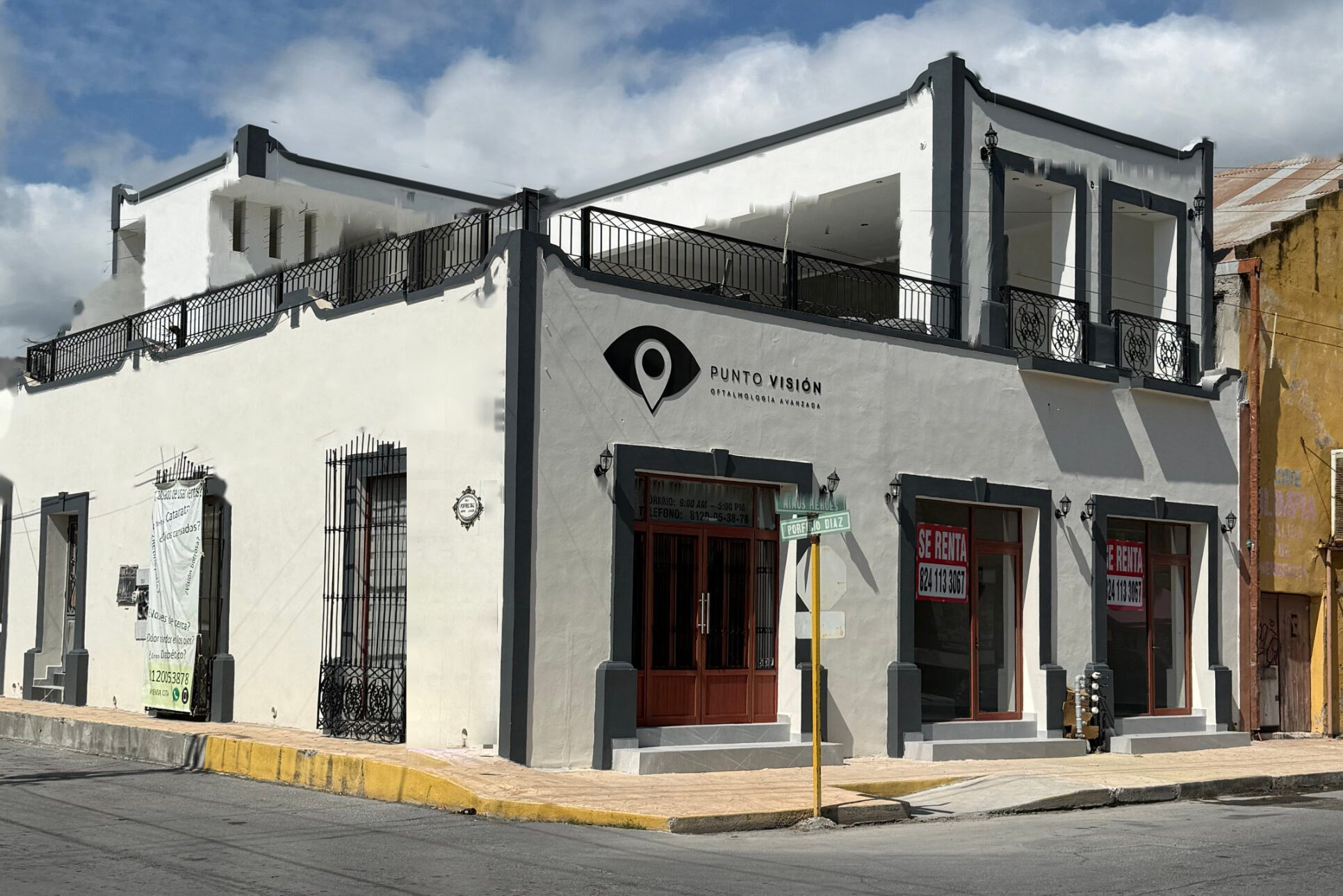
Sabinas Hidalgo
Punto Visión · Porfirio Díaz 507, Downtown,
65200 Sabinas Hidalgo, Nuevo León, Mexico.
Fridays, 9 am to 6 pm.
CONTACT US